If You Want Listen Talk About Dodgeball Design Review
As a professional embroidery digitizer and product reviewer, I approach every new graphic with a specific question: will this actually stitch out cleanly on real fabric? When evaluating the If You Want Listen Talk About Dodgeball design, my first impression is that it captures a distinct, nostalgic energy perfect for sports enthusiasts and retro aesthetic lovers. However, translating a digital SVG intended for T-shirt designs into a tangible machine embroidery design requires careful consideration of structure, density, and end-use application. This review breaks down how this specific graphic performs when moved from screen to hoop, offering practical insights for Etsy sellers, apparel decorators, and hobbyists planning their next custom apparel project.
Visual Personality and First Impressions
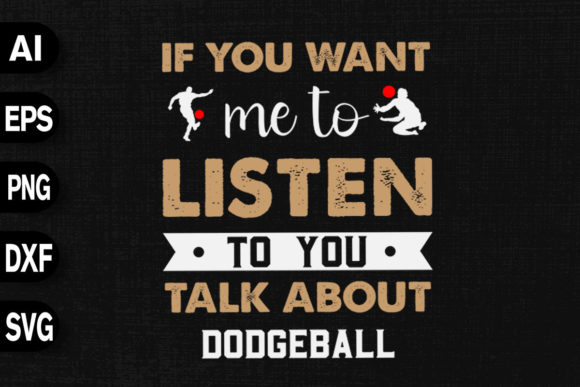
The layout of If You Want Listen Talk About Dodgeball suggests a bold, statement-driven aesthetic. In the world of Graphics and T-Shirt Designs, text-heavy or slogan-based artwork relies entirely on legibility. From an embroidery perspective, this is both an opportunity and a challenge. The mood is playful yet assertive, making it ideal for team uniforms, gym wear, or humorous personalized gifts. Visually, the design feels balanced, but as an embroiderer, I am immediately looking at the lettering style. If the font contains thin serifs or distressed textures common in vintage dodgeball graphics, these elements must be evaluated for stitch viability. A design that looks grungy on a printable mockup can become a thread break nightmare if the satin stitch columns are too narrow or the running stitch details are smaller than 1mm.
Real-World Application: Stitching a Custom Sweatshirt
To truly test the viability of this embroidery file, I mentally walked through a recent client request for a custom embroidered sweatshirt for a recreational league coach. Sweatshirt embroidery presents unique challenges due to the thick fleece backing and stretchy knit face. Using If You Want Listen Talk About Dodgeball on this substrate requires more than just hooping and hoping. The design’s potential size makes it a great center-chest placement, but the stabilizer choice becomes critical. For this project, I would recommend a medium-weight cutaway stabilizer to prevent the stitches from sinking into the fleece texture.
In this scenario, the design serves as a conversation starter. The phrase itself invites interaction, which increases the perceived value of the handmade product. However, because sweatshirts have high pile, any tiny details in the dodgeball illustration or secondary text elements might get lost. If the original SVG includes intricate shading or gradients, those must be converted to appropriate fill stitch patterns rather than direct print translations. A successful stitch-out here depends on simplifying complex visual noise into clean, readable embroidery zones that stand up against the fabric texture.
Navigating Fabric Limitations and Hoop Constraints
While this design shines on stable knits, caution is required when applying If You Want Listen Talk About Dodgeball to other mediums listed in its description, such as tote bags or baby clothes. Each substrate demands a different technical approach.
- Tote Bag Design: Canvas totes are generally forgiving, but they are often unhooped or loosely hooped. If the design has a large stitch count or heavy fill areas, it can cause puckering along the edges. Testing stitch density on scrap canvas is essential before committing to the finished product.
- Baby Embroidery: Scaling this design down for baby items requires extreme care. Text that reads well at 4 inches may become illegible at 2 inches. Satin stitches below 0.8mm risk breaking needles or pulling out of delicate fabrics. Always verify minimum text height before resizing.
- Caps and Curved Surfaces: If adapting this for hats, remember that horizontal distortion occurs naturally on curved surfaces. Center-aligned text usually performs better than left-aligned layouts in cap embroidery.
- Stretchy Performance Wear: Dodgeball implies athletic wear. If stitching on moisture-wicking polyester, use a ballpoint needle and adhesive spray with tear-away stabilizer to avoid damaging the technical fabric fibers.
Impact on Product Value and Customer Trust
For small business owners and creative entrepreneurs, the quality of your embroidery directly reflects your brand integrity. A poorly executed version of If You Want Listen Talk About Dodgeball can damage customer trust faster than a bad review. Conversely, a crisp, professional stitch-out elevates the item from "homemade" to "boutique quality." When customers see clean registration, appropriate thread colors, and no visible bobbin thread on dark fabrics, they recognize the craftsmanship.
This specific design also offers excellent versatility for commercial embroidery projects beyond apparel. Consider using it for embroidered patches. Patches allow you to control the background stability completely, ensuring the dodgeball theme pops regardless of what garment it is eventually attached to. This flexibility makes the digital embroidery file a valuable asset for makers who want to offer multiple product types without re-digitizing for every single application.
Essential Designer Notes Before You Stitch
Before loading this embroidery file into your machine, run through this practical checklist to ensure success. These steps apply whether you are making a holiday gift or stocking your Etsy shop:
- Verify Licensing: Confirm whether your purchase includes commercial rights for selling finished physical products versus digital files. Never assume; always check the license terms provided with the download.
- Test on Scrap Fabric: Never stitch a new design directly onto a final product. Use a similar weight and texture scrap to check tension, density, and color contrast.
- Check Thread Color Contrast: Test the design in black and white mockups and physical samples. Ensure the text remains readable against both light and dark backgrounds. You may need to adjust underlay or add an outline for visibility.
- Inspect Small Details: Zoom in to 100% in your embroidery software. Look for gaps between objects, overlapping stitches that create excessive bulk, or text that is too small to render clearly.
- Confirm Hoop Size Compatibility: Measure the actual dimensions of the design. Ensure it fits comfortably within your hoop with adequate margin for stabilization. Do not rely solely on the stated file dimensions; measure the bounding box yourself.
- Evaluate Stabilizer Needs: Match your stabilizer to the fabric, not just the design. A dense fill stitch on a t-shirt needs different support than the same design on denim.
Making Informed Creative Decisions
If You Want Listen Talk About Dodgeball holds significant potential for makers who understand the translation process between digital art and threaded reality. Its strength lies in its clear thematic focus and adaptability across various products like mugs, stickers, and apparel. However, its success in embroidery depends entirely on your willingness to validate the technical parameters before production.
Whether you are creating a personalized gift for a league MVP or launching a new line of sports-themed merchandise, treat this SVG as a starting point rather than a final destination. Respect the limitations of thread and fabric, and this design will serve as a reliable foundation for high-quality, sellable embroidery projects. Always prioritize test stitches and material compatibility to ensure your finished product meets the professional standards your customers expect and your business deserves.