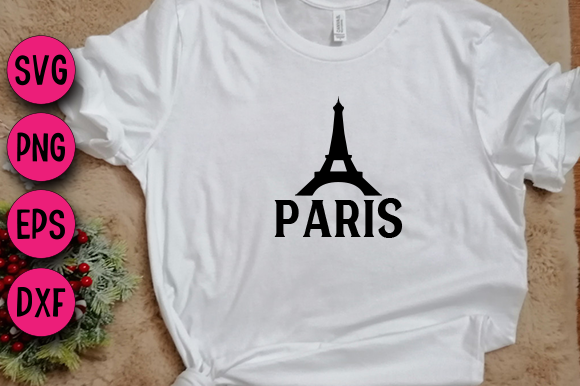
Paris Graphics: Editorial T-Shirt Designs for Web
As a digital publisher and blog designer, I constantly evaluate how physical product aesthetics translate into digital editorial environments. When reviewing the Paris asset collection, my immediate focus is not just on its utility for apparel, but on its potential to elevate content marketing visuals. This graphic design asset carries a distinct romantic yet structured mood that immediately signals travel, lifestyle, and curated experiences. For publishers in the niche of European travel, fashion history, or romantic lifestyle blogging, this visual language establishes instant reader trust. It feels less like a generic stock vector and more like a bespoke editorial illustration, which is crucial for maintaining high perceived value on content-heavy websites.
Translating Apparel Aesthetics to Digital Editorial Layouts
While the source description highlights these as original SVG files intended for gifts, scrap T-shirts, mugs, and totes for men, women, and children, a seasoned web designer sees a versatile library of modular elements. In a real publishing workflow, we often struggle to find graphics that bridge the gap between merchandise branding and sophisticated website headers. Paris succeeds here because the line work and composition are balanced. They possess enough detail to serve as standalone hero images for blog posts about French culture or gift guides, yet remain clean enough to function as subtle background textures in newsletter headers.
When integrating these T-shirt designs into a digital layout, the scalability of the SVG format is paramount. Unlike rasterized PNGs that pixelate on retina displays, these graphics maintain crisp edges whether they are serving as a 50px icon in a sidebar or a full-width banner on a landing page. This technical flexibility allows content creators to maintain visual consistency across diverse platforms without managing multiple file versions. For affiliate marketers promoting Parisian-themed products or print-on-demand services, using the actual design assets featured on the merchandise creates a cohesive narrative that boosts conversion rates by reducing cognitive dissonance between the article and the product.
Strategic Applications Across Content Verticals
In my recent projects involving travel guides and seasonal gift roundups, assets like Paris have proven invaluable for breaking up text-heavy layouts. The specific applications extend far beyond simple decoration:
- Pinterest Pin Creation: The vertical orientation and bold silhouettes inherent in many T-shirt designs make them perfect anchors for Pinterest pins. They provide the necessary visual weight to stop the scroll without requiring complex photo editing.
- Digital Guide Covers: When creating lead magnets such as "Ultimate Paris Travel Checklists" or "French Style Guides," these graphics offer professional cover art that rivals paid stock photography.
- Newsletter Segmentation: Use specific motifs from the collection to visually categorize email content, helping subscribers instantly recognize sections dedicated to kids' activities, women's fashion, or home decor.
- Printable Design Products: For educators or creators selling digital downloads, these assets can be repurposed into greeting cards, party invitations, or wall art worksheets, provided the commercial license permits modification.
- Social Media Stories: The transparent nature of SVGs allows for easy layering over user-generated content or solid brand colors, enhancing Instagram and TikTok stories with minimal effort.
Enhancing Visual Hierarchy and Reader Engagement
A primary concern in modern web design is establishing a clear visual hierarchy that guides the reader’s eye toward key actions. Paris supports this objective through its inherent compositional balance. When placed alongside serif typography common in editorial design, the graphics add a layer of organic softness that prevents the page from feeling sterile. Conversely, when paired with modern sans-serif fonts, they introduce a touch of heritage and nostalgia. This interplay is essential for keeping bounce rates low; readers stay longer on pages that feel thoughtfully designed rather than hastily assembled.
Furthermore, consistent use of a specific graphic style contributes significantly to brand identity. If your content strategy revolves around Francophile aesthetics, incorporating these graphics into category thumbnails, author bios, and footer accents creates a unified visual system. This repetition builds subconscious recognition. When a loyal reader sees a new Pinterest pin or email subject line featuring this familiar artistic style, they are more likely to engage because the visual cue signals relevant, high-quality content before they even read the headline.
Navigating Technical Constraints and Contextual Fit
Despite their versatility, experienced publishers must apply these assets with intention. There are specific scenarios where Paris excels and others where caution is warranted. The intricate details that make these graphics beautiful on a tote bag can become visual noise when scaled down to a mobile thumbnail or a favicon. Always test the asset at its smallest intended display size. If the lines merge or the focal point gets lost, reserve it for desktop hero sections or printable resources instead.
Additionally, consider the emotional tone of your specific article. While perfect for lifestyle, travel, and gift-related content, these designs may clash with serious corporate reporting, financial advice, or minimalist tech reviews. The whimsical and decorative nature of the artwork demands a matching editorial voice. Using it in a mismatched context can confuse readers and dilute the authority of the piece. Always preview the graphic within your actual CMS theme before publishing; what looks good in a design tool might compete with your site’s navigation or ad placements in a live environment.
Publisher Checklist for Commercial Implementation
Before deploying Paris or any similar graphic design asset on a monetized platform, run through this practical quality assurance checklist to ensure professional standards and legal compliance:
- Verify Commercial Licensing: Confirm explicitly that the license covers digital reproduction on affiliate sites, ad-supported blogs, and paid digital products. "Personal use" licenses do not cover commercial publishing.
- Contrast Testing: Place the graphic against your website’s exact background colors. Ensure sufficient contrast ratios for accessibility and visual pop. Test in both light and dark modes if your site supports them.
- Typography Pairing: Test the asset next to your H1, H2, and body fonts. Ensure the stroke weight of the SVG complements rather than competes with your typeface choices.
- File Optimization: Even SVGs can be bloated. Run files through an optimizer to remove metadata and unnecessary nodes to protect page load speeds and Core Web Vitals.
- Mobile Responsiveness: Inspect the graphic on actual mobile devices, not just browser resize tools. Verify that touch targets near the graphic aren't obscured and that the image scales proportionally.
- Color Adaptability: Test the graphic in monochrome. A strong design should work in black and white for printables or low-ink scenarios, ensuring versatility across different media formats.
Ultimately, Paris represents more than just a collection of T-shirt designs; it is a functional toolkit for digital storytellers. By treating these graphics as integral components of your editorial strategy rather than mere decorations, you enhance the professionalism of your platform. Whether you are crafting a viral Pinterest pin, designing a premium digital guide, or simply adding charm to a blog post, this asset offers the polish and flexibility required in today’s competitive content landscape. For small business branding and creative entrepreneurs, investing time in properly implementing such high-quality vectors yields dividends in reader retention and brand perception.