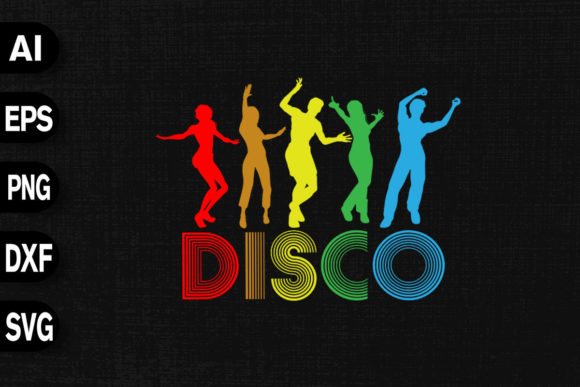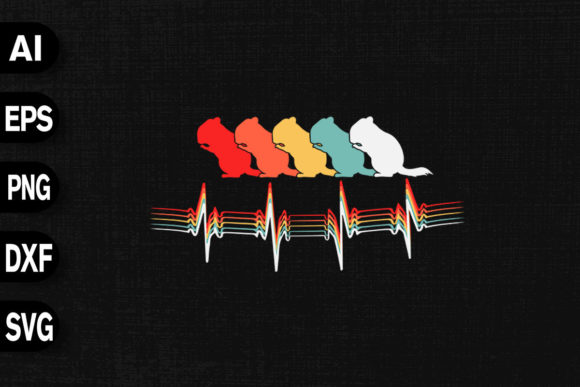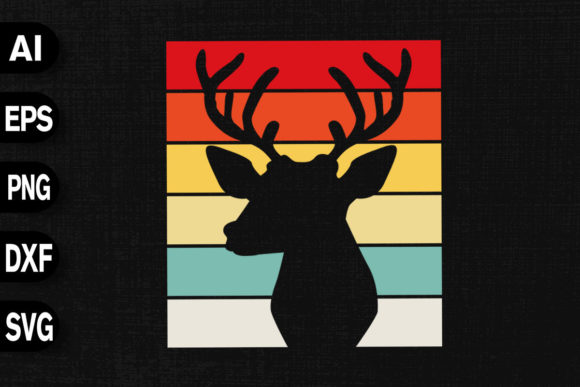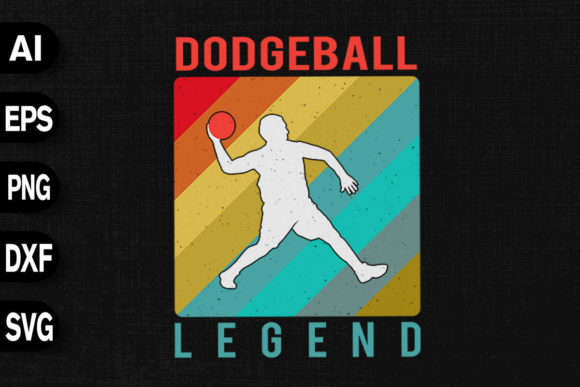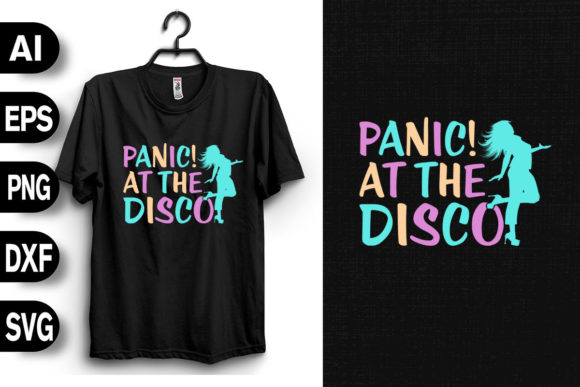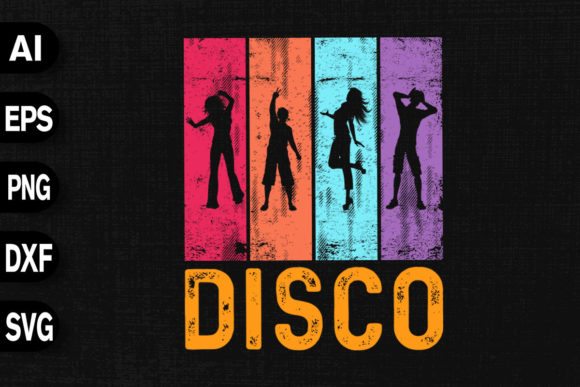
Disco Retro Vintage Graphics for T-Shirt Designs
Evaluating Market Viability for a New Retro Collection
When sourcing assets for a seasonal shop update or a permanent collection expansion, the first impression determines whether a file gets archived or developed into a revenue stream. Reviewing the Disco Retro Vintage asset from a seller’s perspective requires looking past the initial nostalgia and assessing its commercial functionality. This graphic design asset immediately signals a specific mood: high-energy nostalgia mixed with modern accessibility. It does not feel like a dusty archival piece; rather, it possesses a vibrant, playful personality that appeals to Gen Z thrift shoppers and Millennials seeking Y2K aesthetics simultaneously.
For Etsy sellers and print-on-demand entrepreneurs, this distinction is critical. The visual hierarchy suggests bold typography and dynamic shapes that read well at thumbnail size. In a crowded creative marketplace, where customers scroll quickly through thousands of listings, this illustration stands out because of its contrast and clear focal point. It feels premium enough to justify a higher price point for digital downloads but remains accessible enough for volume sales on physical merchandise. As I evaluate this for my own shop, the primary question is versatility. Can this single SVG design anchor multiple product types without looking repetitive? The answer appears to be yes, provided the application strategy is sound.
Real-World Application Across Merchandise and Digital Products
The true test of any t-shirt design is its adaptability. While marketed primarily as apparel graphics, experienced creators know that limiting an asset to clothing leaves money on the table. I tested the Disco Retro Vintage concept across three distinct product categories to gauge its flexibility.
First, for apparel, the vector lines are clean and optimized for vinyl cutting. When preparing files for Cricut or Silhouette projects, intricate details can often cause tearing or weeding nightmares. This asset avoids that pitfall by maintaining bold, connected shapes suitable for heat transfer vinyl (HTV) on hoodies and tees. Second, for sublimation design products like tumblers and mugs, the color profile holds up beautifully. Unlike some vintage assets that rely on distressed textures which can look muddy when printed, this graphic retains crisp edges and saturated colors essential for ceramic and metal substrates.
Beyond physical goods, this asset shows promise for digital product ecosystems. I envision using elements of this illustration as decorative accents in Canva templates for social media graphics or event flyers. For planners and digital journals, isolated elements could serve as premium sticker designs. The key here is modularity. If you can deconstruct the main graphic into smaller usable parts, you transform a single purchase into a comprehensive design bundle. This approach increases the perceived value for buyers looking for cohesive branding assets for parties, small business launches, or content creation.
Optimizing Listing Presentation and Visual Storytelling
Having a great file is only half the battle; selling it requires strategic presentation. When creating mockup previews for this Disco Retro Vintage asset, context is everything. A flat PNG design on a white background rarely converts as well as a lifestyle image. I recommend testing this graphic on varied mockups to see where it performs best. On dark fabric mockups, the retro colors pop, creating an immediate emotional connection. On light tote bag or canvas mockups, it evokes a handmade, artisanal vibe that appeals to the eco-conscious crafter.
For listing images, avoid clutter. Let the graphic breathe. Use negative space to highlight the quality of the lines and the vibrancy of the palette. If you are selling this as part of a larger collection, ensure brand consistency by using similar lighting and styling across all product photos. This builds customer trust and signals professionalism. Furthermore, consider the thumbnail appeal on mobile devices. Does the central element of the Disco Retro Vintage graphic remain recognizable when shrunk to two inches wide? If the text becomes illegible or the details blur, you may need to create a simplified version specifically for marketplace thumbnails while keeping the full-detail version for the actual deliverable.
Strategic Placement: Where This Asset Shines
- Large Format Apparel: Back prints on hoodies and oversized tees allow the intricate retro details to be appreciated without distortion.
- Event Stationery: Perfect for birthday invitations, bachelorette party flyers, and festival posters where bold visuals drive engagement.
- Social Media Templates: Ideal for Instagram stories or Pinterest pins promoting retro-themed sales or vintage shop updates.
- Tumbler Wraps: The aspect ratio and density of the design work exceptionally well for 20oz skinny tumbler sublimation.
- Digital Planner Stickers: Scaled-down elements function perfectly as functional yet decorative markers in GoodNotes or Notability.
Risk Assessment: Where to Exercise Caution
No asset is perfect for every scenario, and identifying limitations prevents negative reviews. With the Disco Retro Vintage style, be wary of tiny sticker applications. Intricate retro shading or thin connecting lines may not cut cleanly on standard adhesive vinyl machines. Always perform a test cut before listing physical stickers. Additionally, avoid placing this design on busy, patterned backgrounds in your mockups; the complex nature of retro graphics requires solid or subtle textured backdrops to maintain visual clarity.
Another area of caution is low-resolution print products. If you are using the PNG version for large banners or posters, verify the DPI. Upscaling a raster image often results in pixelation that damages your shop's reputation. Stick to the SVG format for anything larger than a standard letter-sized print. Finally, be mindful of text-heavy layouts. This graphic has a strong personality; pairing it with overly ornate fonts can create visual competition. Balance is essential for professional-grade commercial design.
Seller Checklist for Technical Quality and Licensing
Before publishing any listing featuring this asset, run through a rigorous quality control process. Technical failures are the fastest way to lose repeat customers. Start by verifying file organization. Customers expect clearly labeled folders separating SVG, PNG, DXF, and EPS files. Ambiguous filenames lead to support tickets and frustration. Next, inspect the SVG nodes. Open the file in your cutting software and check for stray points or open paths that could ruin a cut job. Clean vectors equal happy crafters.
Color accuracy is another vital checkpoint. Screen colors differ from print output. Test print the Disco Retro Vintage design on your intended substrate to ensure the retro palette translates correctly. What looks like a vibrant teal on screen might print as a dull green on certain cardstocks. Adjust your CMYK profiles if necessary. Also, confirm transparency on PNG files. A jagged white box around a design meant for dark shirts is an instant refund request.
Finally, never assume licensing terms. Even if an asset is marketed for commercial use, read the fine print regarding POD platforms versus digital resale. Some licenses permit selling finished physical products but prohibit selling the digital file itself or using it in editable Canva templates. Clarifying these boundaries protects your business from legal issues and platform bans. When used correctly and ethically, this graphic design asset offers substantial potential for building a cohesive, profitable retro product line.
Final Thoughts on Portfolio Integration
Incorporating the Disco Retro Vintage aesthetic into your shop is more than just adding a new SKU; it is an opportunity to attract a trending demographic. By treating this asset as a foundational element for a broader collection—spanning t-shirt designs, home decor, and digital templates—you maximize your return on investment. Remember that successful selling relies on testing, refining, and presenting your work with the same care you put into creating it. Validate your ideas with real mockups, respect the technical constraints of your production method, and always prioritize the end-user experience. With these strategies, this asset can become a reliable performer in your digital product portfolio.