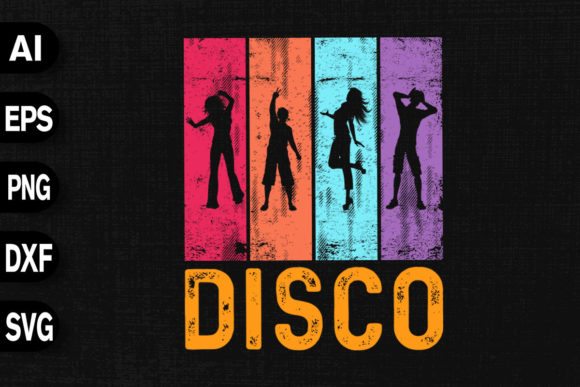
Vintage Retro Disco Dancer Graphics for T-Shirt Designs
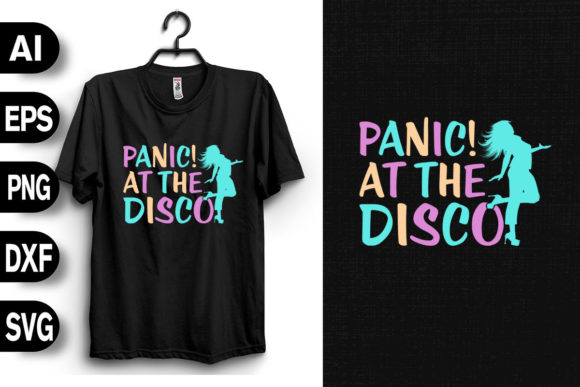
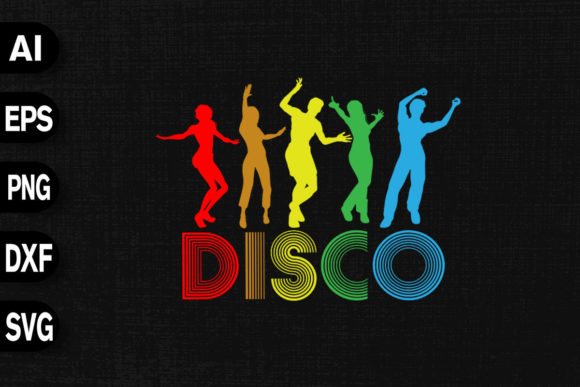
When evaluating a new graphic design asset for a client project, my first criterion is always versatility combined with authentic aesthetic appeal. Recently, while developing a visual identity and merchandise line for a boutique record store hosting a 70s-themed anniversary event, I tested the Vintage Retro Disco Dancer illustration. The immediate impression was one of genuine nostalgia rather than generic clipart. The silhouette captures the kinetic energy of the disco era without feeling like a costume party caricature. For designers working on handmade business branding or seasonal campaigns, this asset strikes a difficult balance: it is playful enough for consumer goods yet stylized enough to maintain professional credibility in marketing visuals.
Evaluating Visual Hierarchy in Merchandise and Apparel
In the context of t-shirt designs, the Vintage Retro Disco Dancer performs exceptionally well as a primary focal point. During my review for the record store client, I needed a hero graphic that could stand alone on a dark navy hoodie or serve as the centerpiece of a cream-colored tote bag. The vector paths are clean, which is critical when preparing files for Cricut projects or screen printing. Unlike rasterized images that lose integrity when scaled, this SVG design maintains crisp edges whether applied to a small Pop Socket or a large promotional banner.
However, successful integration requires thoughtful placement. As a standalone element, the dancer commands attention, making it ideal for the front center of apparel or the main face of packaging design. When incorporating text, I found that pairing this illustration with bold, condensed sans-serif fonts created a strong modern design contrast against the retro curves of the figure. Conversely, using a flowing script font enhanced the vintage mood but required careful spacing to prevent the typography from competing with the intricate details of the dancer’s pose. For print-on-demand sellers, this flexibility allows for multiple SKU variations from a single digital product.
Strategic Applications Across Digital and Print Media
Beyond apparel, this creative design asset proved valuable across various touchpoints for the client’s campaign. We utilized the Vintage Retro Disco Dancer as a dynamic accent in social media graphics for Instagram and Pinterest. Because the file is compatible with standard design software and Canva templates, adapting the color palette to match specific post themes was efficient. The illustration worked particularly well in editorial design layouts for the event flyer, where it served as a visual anchor that guided the viewer’s eye toward essential date and venue information.
For small business branding, consistency is key. I successfully adapted the graphic for sticker design and phone cases, ensuring the brand identity remained cohesive across physical products. The asset also translated effectively to web design, serving as an engaging visual break in blog posts about disco history. In each application, the graphic added emotional appeal and audience engagement without overwhelming the functional aspects of the layout. It is worth noting that for sublimation design on mugs, the high-contrast nature of the original file ensured vibrant color transfer, avoiding the muddiness that often plagues complex retro illustrations.
Technical Considerations for Professional Output
While the aesthetic quality is high, professional use demands rigorous technical validation. Before committing the Vintage Retro Disco Dancer to any commercial design project, I recommend a thorough pre-flight check. Always test the SVG design in black and white first. This reveals whether the visual hierarchy relies too heavily on color differentiation. If the silhouette becomes unrecognizable without color, it may fail on single-color vinyl cuts or embroidered patches. During my testing, the asset held up well in monochrome, confirming its utility for budget-friendly Cricut projects and minimalist branding applications.
Contrast checking is equally vital. I previewed the graphic against both light and dark backgrounds to ensure legibility. On darker substrates, you may need to add a subtle offset or glow effect to separate the figure from the background, especially if the dancer’s attire includes dark tones. For those using this as part of a design bundle for Etsy product listings, verify that the PNG design includes true transparency. Jagged edges or white boxes around the illustration can instantly devalue a digital download. Additionally, inspect the node count in the vector file; overly complex paths can cause cutting machines to stutter or produce rough edges on intricate details.
Navigating Licensing and Brand Alignment
A critical aspect of reviewing any design asset is understanding its limitations. While Vintage Retro Disco Dancer is versatile, it is not universally appropriate. I would advise against using this illustration for corporate financial reports, medical branding, or ultra-minimalist tech startups. The inherent playfulness and specific historical reference can undermine messages requiring sterility or futuristic innovation. Furthermore, in crowded layouts with multiple competing elements, this detailed illustration can create visual noise. It functions best when given adequate negative space to breathe.
Commercial licensing must be confirmed before deployment. Whether you are creating marketing visuals for a local event or selling printable design files on a creative marketplace, ensure your license covers the intended end-use. Some licenses restrict the number of physical units sold or prohibit use in digital templates intended for resale. For my client’s project, verifying the commercial license provided peace of mind and protected their brand from potential intellectual property disputes. Always document this clearance as part of your professional workflow.
Optimizing Readability and Emotional Resonance
The ultimate goal of integrating Vintage Retro Disco Dancer into a project is to enhance communication, not just decoration. In our record store campaign, the graphic did more than fill space; it signaled genre, era, and atmosphere instantly. This immediate recognition reduces cognitive load for the viewer, allowing them to process the accompanying text faster. However, readability should never be sacrificed for style. When placing text over or adjacent to the illustration, maintain sufficient padding. The dynamic pose of the dancer creates natural negative space zones—utilize these areas for headlines or calls to action rather than forcing text over busy linework.
Emotional appeal drives conversion in both retail and digital spaces. This asset evokes feelings of joy, movement, and communal celebration, which aligns perfectly with lifestyle brands, event promotions, and nostalgic product lines. By leveraging these associations, designers can create deeper connections with target audiences. For content creators and bloggers, using such specific imagery helps establish niche authority and visual trust. Readers recognize that the creator has curated intentional visuals rather than relying on stock photography clichés.
Final Assessment for Creative Professionals
After extensive testing across apparel, digital media, and print collateral, I consider Vintage Retro Disco Dancer a robust addition to a professional designer’s toolkit. Its strengths lie in its clean vector construction, evocative styling, and adaptability across mediums ranging from Cricut crafts to comprehensive brand identities. It excels in projects targeting audiences who appreciate retro aesthetics, music culture, and celebratory themes.
Designers should approach this asset with intentionality. Use it to anchor layouts, evoke specific moods, and add personality to commercial design work. Avoid it in contexts requiring neutrality or extreme minimalism. Always validate technical specifications and licensing terms before final delivery. When applied with professional judgment, this graphic elevates projects from functional to memorable, proving that well-crafted retro assets remain relevant in contemporary visual communication. For small business owners and digital sellers seeking to differentiate their offerings, this illustration offers a compelling blend of nostalgia and production-ready quality that supports both creative vision and business objectives.