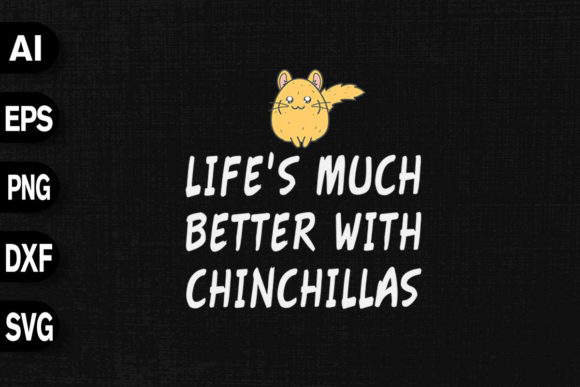
Life's Much Better with Chinchillas Design Review
As a professional embroidery digitizer and product reviewer, I approach every new machine embroidery design with a critical eye. It is not enough for a graphic to look cute on a screen; it must translate into clean stitches, durable wear, and commercial viability. When evaluating the "Life s Much Better with Chinchillas" artwork, my primary focus is how this sentiment-driven illustration performs when converted from digital pixels to physical thread. This review breaks down the practical realities of using this design for custom apparel, accessories, and small business merchandise.
First Impressions and Visual Personality
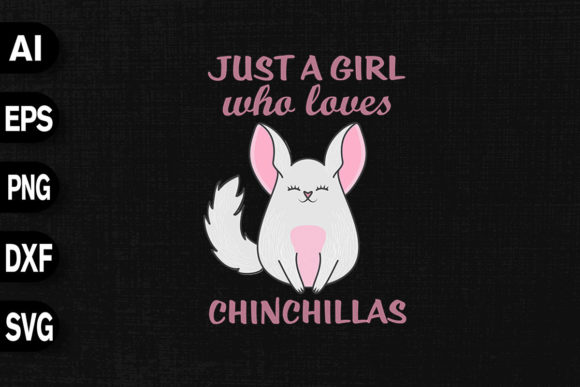
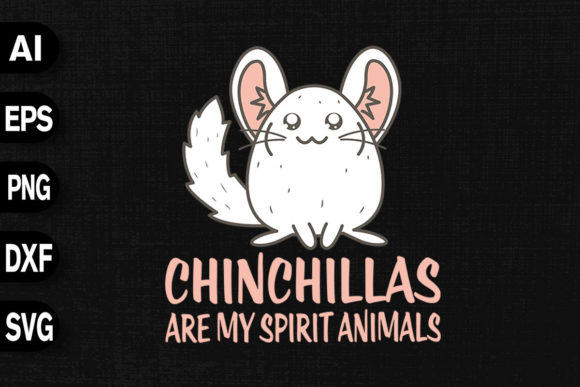
The immediate strength of "Life s Much Better with Chinchillas" lies in its emotional resonance. The typography suggests a playful, hand-lettered aesthetic that pairs naturally with the whimsical nature of chinchilla imagery. For an Etsy seller or boutique owner, this mood is crucial. It signals a niche audience—pet owners and animal lovers who value personality over polish. However, from a technical standpoint, the interplay between text and illustration requires careful assessment. Hand-drawn style fonts often contain varying line weights that can be tricky to digitize effectively. If the original embroidery file uses thin lines for the lettering, they may need to be reinforced with a satin stitch or triple running stitch to prevent sinking into textured fabrics like fleece or terry cloth.
The layout appears balanced for center-chest placement, which is the industry standard for T-Shirt Designs. Yet, as a reviewer, I always consider versatility. Does the composition allow for resizing without distorting the chinchilla’s proportions? A well-structured design maintains its integrity whether scaled down for a baby onesie or expanded for a tote bag design. The visual hierarchy here seems to prioritize the phrase, with the chinchilla acting as a supporting character. This is actually beneficial for embroidery, as it allows the text to remain legible at smaller sizes while the animal detail provides the necessary charm.
Real-World Application: The Custom Sweatshirt Test
To truly judge this asset, let us apply it to a specific scenario: creating a premium crewneck sweatshirt for a holiday gift or small shop drop. Sweatshirts present unique challenges due to their thickness and stretch. In this context, "Life s Much Better with Chinchillas" serves as an excellent candidate for left-chest or full-frontal placement. However, success depends entirely on stabilization. Because the design likely combines text with illustrative elements, you are dealing with variable stitch density. High-density areas (like filled chinchilla fur) next to low-density text can cause puckering if the stabilizer is insufficient.
For this sweatshirt embroidery project, I would recommend a medium-weight cutaway stabilizer rather than tear-away. The design’s organic shapes require support that remains after washing. When stitching the chinchilla element, pay attention to the direction of the fill stitches. They should follow the natural contour of the animal to create dimension. If the digital embroidery file lacks this directional mapping, the result may look flat or cardboard-like. For the text portion, ensuring adequate spacing between letters is vital. On knit fabrics, letters that are too close together can merge, rendering the sentiment unreadable. This design’s spacing appears generous enough to withstand the push-and-pull compensation inherent in machine embroidery, making it a safer choice for knits than tighter, more ornate scripts.
Navigating Fabric Limitations and Hoop Constraints
While this design shines on stable knits, caution is required for other applications. As a handmade product creator, you must recognize where a design fails. "Life s Much Better with Chinchillas" involves multiple color changes and potentially complex registration points. This makes it less suitable for curved surfaces like caps unless you have a specialized cap frame and significant experience. The distortion caused by the curve could misalign the text relative to the chinchilla, compromising the professional finish customers expect.
Similarly, be wary of using this on sheer or lightweight performance fabrics. The contrast between the dense embroidery and the delicate base material can lead to tearing or heavy draping. If you intend to use this for baby embroidery items, verify the back of the design. Rough bobbin threads or excessive jump stitches can irritate sensitive skin. A fusible backing or soft-touch stabilizer is non-negotiable here. For small hoop sizes, such as 4x4, you may need to separate the text from the graphic or reduce the complexity of the chinchilla’s details. Always check the minimum recommended size in your software before committing to a production run. Shrinking a design below its safe threshold results in lost details and thread breaks, turning a beautiful personalized gift into waste.
Critical Designer Notes for Commercial Success
Before listing finished goods or selling the design assets themselves, adhere to these professional protocols:
- Test Stitch on Target Fabric: Never assume a setting works universally. Run a test of "Life s Much Better with Chinchillas" on the exact fabric you plan to sell. Check for registration errors between the text and the graphic.
- Verify Thread Contrast: View the design in grayscale or simulate it with your intended thread colors. Low contrast between the chinchilla and the shirt color kills visibility. Ensure the design reads clearly against both light and dark backgrounds.
- Audit Stitch Density: Use your editing software to check for overly dense patches. If the chinchilla’s fur exceeds 0.8mm density on standard cotton, consider reducing it to prevent needle deflection and fabric damage.
- Confirm Licensing Terms: The product description mentions compatibility with various items, but you must verify the specific commercial license. Confirm whether you can sell the finished product, the digital file, or both. Protect your craft business by reading the fine print.
- Create Accurate Mockups: When marketing this as a printable mockup or digital preview, ensure the texture matches reality. Do not show a flat vector image if the actual embroidery has significant texture. Customer trust relies on accurate representation.
Elevating Product Value Through Execution
Ultimately, "Life s Much Better with Chinchillas" is more than just a cute saying; it is a test of your production standards. When executed correctly, this design adds tangible value to commercial embroidery projects. The combination of relatable text and niche imagery creates an instant connection with buyers, increasing perceived worth. However, sloppy execution undermines that connection. Jump stitches left untrimmed, poor color matching, or distorted lettering signal amateurism.
For creative entrepreneurs, this design offers a chance to demonstrate expertise. By optimizing the thread colors to match current trends and selecting appropriate blanks, you transform a generic graphic into a signature piece. Whether used for a holiday embroidery collection or year-round pet lover merch, the key is intentionality. Treat this embroidery project with the same rigor as a corporate logo. Your attention to detail in the hooping, stabilizing, and finishing stages is what separates a hobbyist from a professional brand. When customers receive a crisp, vibrant, and durable item featuring this design, they are not just buying a chinchilla graphic; they are buying your craftsmanship.