Retro Vintage Disco: An Embroidery Design Review
When evaluating a new machine embroidery design for commercial or personal use, my first question is always about translation. A graphic that looks vibrant on a screen does not automatically guarantee a clean stitch-out on fabric. As a designer who regularly tests assets for custom apparel and boutique merchandise, I approached the Retro Vintage Disco file with a critical eye. While this product is primarily marketed as an SVG for cutting machines like Cricut and Silhouette, its aesthetic holds significant potential for digitizers and embroiderers looking to capture that nostalgic 70s groove. However, moving from a vector graphic to a tangible embroidered patch or garment requires understanding how retro geometry interacts with thread and tension.
Capturing the Groove: Visual Weight and Layout
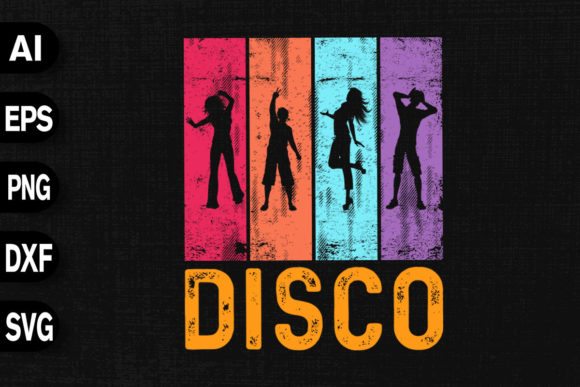
The immediate strength of Retro Vintage Disco lies in its bold, confident geometry. From a design perspective, this style relies heavily on distinct color blocking and smooth curves rather than intricate micro-details. For an embroidery project, this is excellent news. Designs with clear separation between elements allow for cleaner registration and less risk of puckering compared to hyper-realistic vintage illustrations. The mood is undeniably fun and energetic, making it a natural fit for sweatshirt embroidery, festival wear, or upbeat tote bag design work.
As a digital embroidery file candidate, the layout suggests itself well to both center chest placements and left-chest logos. The visual personality is loud but organized. When I look at this design, I see a strong candidate for a combination technique. Because the source is a graphic intended for vinyl or sublimation, an embroiderer has the creative freedom to interpret the solid shapes as either full fill stitch areas or, more effectively, as applique design zones. Using applique for the larger retro shapes would reduce stitch density significantly, keeping the final handmade product soft and wearable rather than stiff and bulletproof.
Real-World Application: The Custom Tote Bag Test
To truly judge the viability of Retro Vintage Disco, I mentally walked through a specific scenario: creating a branded canvas tote bag for a local record store’s anniversary sale. Canvas is a textured, unforgiving fabric that demands respect. If I were to stitch this design out as a dense satin block, the tension could distort the bag's weave, causing the iconic disco ball or typography to sink into the fabric texture.
In this real-life application, I would treat the Retro Vintage Disco asset as a blueprint. I would utilize a heavy-weight cutaway stabilizer to support the structure. For the circular motifs typical of disco aesthetics, I would avoid pure satin stitch spans wider than 8mm to prevent looping or snagging during customer use. Instead, I might incorporate a running stitch outline to define edges against the coarse canvas grain. This approach ensures the finished product retains the crispness of the original graphic while surviving the rigors of being carried as a daily shopper. For an Etsy seller or small shop product line, this durability is just as important as the visual appeal.
Navigating Fabric Limitations and Hoop Constraints
While the retro theme is versatile, not every substrate is a safe harbor for this specific aesthetic. The bold lines of Retro Vintage Disco require a stable foundation. I would advise extreme caution when attempting this design on stretchy performance fabrics or thin rayon linings without substantial reinforcement. The contrast between the rigid geometric stitches and fluid fabric can lead to tunneling.
Furthermore, consider your hoop size limitations before committing. Retro graphics often rely on scale for impact. Shrinking this design down to fit a 4x4 hoop for a baby onesie might compromise the legibility of any integrated typography or the definition of the disco elements. If you are planning baby embroidery or items for children, verify that the simplified version still reads clearly at a smaller scale. Conversely, if you are working on commercial embroidery for adult custom apparel, ensure your machine can handle the field size required to do the design justice. A cramped disco design loses its funk; it needs room to breathe.
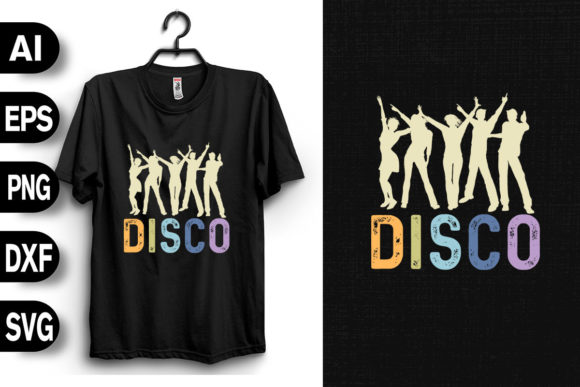
Dark fabrics present another variable. Since this originates as a graphic file, you must decide how to handle negative space. On a black hoodie, simply stitching the colored elements might leave awkward gaps. You may need to add a background fill or adjust the thread colors to include high-contrast outlines that separate the design from the dark garment base. Always test on scrap fabric first to confirm visibility.
Professional Notes for Makers and Sellers
For fellow designers and business owners integrating Retro Vintage Disco into their workflow, practical preparation is non-negotiable. Because this product is listed as compatible with cutting machines, please remember that it is likely a vector file, not a pre-digitized embroidery file. You will need to digitize this yourself or hire a professional digitizer to convert the SVG into DST, PES, or JEF formats suitable for your machine.
- Verify Licensing: Before listing any personalized gift or retail item, confirm the commercial license terms. Just because you can download the graphic does not automatically grant rights to sell embroidered derivatives.
- Density Management: When digitizing these retro shapes, aim for lower density fills. The vintage look often benefits from a slightly looser stitch structure that mimics the texture of old-school patches.
- Mockup Testing: Use a printable mockup tool to visualize placement before stitching. Seeing the Retro Vintage Disco design overlaid on a digital sweatshirt helps identify sizing issues that aren't apparent in the editing software.
- Color Matching: Retro palettes are specific. Standard polyester threads might be too neon. Consider using matte finish threads or specific vintage-coded thread colors to maintain authenticity in your design assets.
- Washability Check: If producing holiday embroidery or kitchen textiles, run a wash test. Retro designs with large color blocks can sometimes trap water or take longer to dry.
Elevating Product Value Through Intentional Stitching
Ultimately, the success of Retro Vintage Disco in an embroidery context depends on intentionality. It is easy to slap a trendy graphic onto a shirt, but it takes craftsmanship to make it feel like a premium craft business offering. Customers can distinguish between a hastily stitched novelty item and a thoughtfully constructed piece of custom apparel.
By treating this graphic as a foundational element rather than a finished solution, you open up opportunities for mixed media. Imagine combining the embroidered Retro Vintage Disco motif with heat-transfer vinyl text for a hybrid tote bag design, or using the graphic as a guide for a chenille patch. These adaptations increase perceived value and differentiate your listings in a saturated market. Whether you are creating a personalized gift for a music lover or stocking inventory for a craft fair, the key is respecting the interplay between the digital source and the physical thread. When executed with proper stabilizer, appropriate density, and accurate color theory, this design translates beautifully from screen to stitch, bringing genuine retro warmth to modern handmade goods.